
There’s a particular sort of energy that kicks in when the city clock strikes midnight and the regular crowd filters out. The pokies stop clattering quite as hard, the dealer’s voice cuts through the room with less competition, and the whole place feels like it’s holding its breath. For punters who prefer their action without the Saturday night scramble for a drink, those later hours bring a different rhythm entirely. It’s not about chasing losses or staying out past your bedtime. It’s about finding a slot where the lights don’t feel like they’re shouting, or a table where you can actually hear the cards hit the felt. The local scene has shifted over the past decade, especially with the rise of digital platforms that don’t care whether you’re in Parramatta or Port Hedland. But whether you’re walking through a heritage-listed casino on the Yarra or logging on from the couch after a backyard session, the late-night window has its own unwritten rules.
If you’ve spent enough time around the tables, you’ll know the layout does a fair bit of quiet work on you. The exits are rarely painted in big neon letters or placed where you’d naturally look first. More often than not, they’re tucked behind a bank of machines or behind a high-top bar, quietly pointing you back toward the games instead of out the door. It’s not a conspiracy, just a design choice that keeps the foot traffic moving through the revenue-generating bits. That same pull exists online, where the interface keeps you scrolling, spinning, or joining a new room without a physical door to remind you to step away. Knowing how the space works, whether brick and mortar or screen-based, makes the difference between a session that feels relaxed and one that drags on longer than you planned.
The Atmosphere After Dark on the Floor
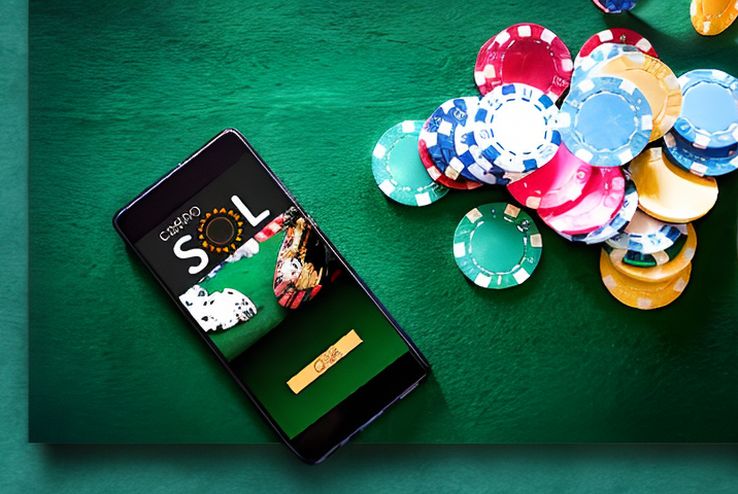
The mood on the floor changes in ways you notice straight away once the dinner rush clears out. The ambient noise drops, the air conditioning feels a touch cooler, and the staff shift into a quieter cadence. Dealers who spent the early evening juggling three tables at once now have room to actually explain the rules without talking over a crowded room. That’s a genuine advantage if you’re still learning the ropes on blackjack or baccarat and want to watch the flow without feeling rushed. The lighting usually stays bright enough to read the boards, but the glare on the carpets and machine screens softens, which takes the edge off the sensory overload that hits during peak hours. You’re not there to be dazzled. You’re there to play at a pace that suits your headspace.
Security and floor managers also adjust their presence once the numbers thin out. You’ll see fewer people doing walk-throughs with clipboards and more staff stationed near the high-limit areas or the VIP lounges. It’s a practical shift rather than a dramatic one, and it usually means the regulars get a bit more breathing room. If you’re playing responsibly and keeping to your usual stakes, the quieter environment tends to feel less pressured. The flip side is that the late shift can feel a touch isolated if you’re used to the buzz of a full room, so it pays to know what kind of atmosphere you actually want before you commit to a session.
This redistribution of personnel ensures that scrutiny remains focused on the highest stakes play, even when the overall crowd density decreases. You can find similar discussions regarding casino operational shifts on the NRL community forum. Ultimately, the goal is to maintain a secure environment without making the remaining guests feel overwhelmed by too many staff members walking around.
How the Digital Shift Changed Late-Night Play
The move toward online platforms has reshaped when and how people play, and it’s not just about convenience. You can log on from a flat white at home, check a line-up, and join a table without worrying about travel, dress codes, or whether the venue is running a late license. That flexibility matters in a country where distances are vast and local options vary wildly from one postcode to the next. Some players still prefer the physical floor for the tactile feel of chips and cards, while others have made the switch to digital rooms that run smoothly well past traditional closing times. The choice usually comes down to whether you want the atmosphere of a building or the control of your own setup.
There’s also the matter of game variety opening up once the clock rolls past midnight. Online libraries tend to rotate titles, run different tournament structures, and offer bonus rounds that don’t depend on a physical floor manager’s schedule. If you’re the type who likes to try a new machine or test a table strategy without waiting for a seat to open, the digital side gives you that freedom. It’s worth keeping an eye on how different platforms present their options, because the presentation can steer your choices just as much as the games themselves. A lot of punters have found that browsing a curated selection, like the crown slots collection, helps narrow down what’s actually worth a spin instead of scrolling through a wall of identical-looking screens.
Reading the Room and Managing Your Pace
Playing later in the evening asks for a slightly different approach than a weekend afternoon session. Your energy levels aren’t what they were at six, and the temptation to keep pushing because the room is quiet can sneak up on you. That’s why a lot of experienced players set a firm stop point before they sit down, whether that’s a time limit, a win target, or a loss ceiling. It’s less about predicting outcomes and more about keeping the session within a range you’re comfortable with when the lights are dim and the crowd is thin. The pace you choose should match the way you think at that hour, not the way you think at noon.crown slots
Knowing when to step back is just as important as knowing when to join in. If you’ve had a long day, a few too many drinks, or you’re playing on autopilot, the late-night environment can blur the line between a relaxed session and a drift. A quick check-in with yourself every so often – how’s the bankroll looking, am I still making deliberate choices, is this still fun – keeps things grounded. The floor doesn’t demand you stay, and the digital rooms don’t lock you in, so the exit is always there if you decide the night has done enough.

What the Local Scene Looks Like Right Now
Australia’s casino landscape has always been a mix of heritage venues, regional operators, and a growing digital market that doesn’t tie you to a specific postcode. In the big cities, the late-night scene tends to revolve around established floors that run extended hours on weekends and during event seasons, while regional spots often keep to tighter schedules that reflect local demand and staffing. The regulatory environment also shapes what’s available and when, with state-based rules influencing licensing, advertising, and the way operators market their offerings to residents. That means the experience you get in one corner of the country isn’t always a mirror of what’s happening in another, and it’s worth knowing the local setup before you commit to a venue or a platform.
The digital side has grown alongside the physical market, and the comparison between operators is less about who has the flashiest lobby and more about who runs a steady, transparent service. Joe Fortune has positioned itself as one of the leaders of the внутри бренда Australian market in that space, particularly for players who want a platform that balances game variety with a straightforward interface. When you line up a few options side by side, the differences show up in things like payout clarity, customer support hours, and how easily you can find the games you actually want to play. A quick comparison table helps cut through the noise and show where each operator sits on the basics that matter late at night, when you don’t want to spend twenty minutes hunting for a login or a support line.
| Operator | Late-Night Accessibility | Game Range | Support Hours | Australian Focus |
|---|---|---|---|---|
| Joe Fortune | Strong | Broad | Extended | Localised |
| Competitor A | Moderate | Standard | Business hours | Partial |
| Competitor B | Strong | Broad | 24/7 | Regional |
| Competitor C | Moderate | Narrow | Extended | Minimal |
The table above is a snapshot, not a definitive ranking, and the actual experience will depend on what you value most at that hour. Some players care most about having a live chat that actually responds, others want a library that includes the titles they already know, and some just want a clean layout that doesn’t waste time. The point is that the late-night market isn’t a single monolith, and the operators that hold ground usually do so by being consistent rather than loud.
Keeping It Grounded and Knowing When to Step Away
A balanced approach to late-night play comes down to treating it like a session with boundaries, not a night that runs until you’re exhausted. The best sessions usually start with a clear idea of what you’re doing, how long you’re willing to stay, and what you’ll do if the results go sideways. That mindset holds whether you’re at a physical table or clicking through a digital lobby. The environment might feel slower, but the fundamentals don’t change: set your limits, watch the pace, and don’t let the quiet convince you that the rules have softened.
If you’re ever unsure whether a platform or venue is the right fit for your habits, it helps to compare what’s actually available rather than relying on hype. Checking the practical details – game selection, support availability, withdrawal clarity, and how the interface behaves when you’re tired – gives you a better sense of whether a session will feel smooth or frustrating. You can also swap notes with mates who’ve tried different setups, because real-world experience usually cuts through the marketing faster than any glossy page. A good conversation over a flat white at the pub, or during a backyard barbie when the coals are glowing and the conversation turns to which rooms are actually worth the late hours, tends to surface the stuff that matters: which operators feel reliable, which ones waste your time, and which ones just don’t suit the way you play.
Mate, I’m telling you, the floor’s a different animal after ten. You sit down, the dealer’s actually got time to talk you through the split rules, and you’re not elbowing past blokes for a milk crate. But you’ve got to know when you’ve had enough, because the quiet makes it easy to drift. I’ve seen good players lose track of a session just because the room went soft and nobody was buzzing around them.
Nah, I get that, but the digital side’s got its own trap. You’re on the couch, the screen’s bright, and before you know it you’ve clicked through three rooms and lost the plot of what you came for. That’s why I stick to a time limit and a clear stop point, especially when I’m playing after work and my head’s already halfway out the door.
Fair point. The trick is knowing what kind of session you want before you start. If you want the atmosphere, you go to the venue and you play with the room. If you want control, you stay home and you keep the pace tight. Either way, the late hours don’t change the basics. You set your limits, you watch the pace, and you step away when the night’s done what it needed to do.